
Hawaii Biotech Discusses Dengue Vaccine Development at Brazil Symposium

Hi, Biotech is an independent publication with no affiliation with Hawaii Biotech, Inc. This page preserves a historical record from the company's original press archive, republished for research and archival purposes. Copyright in the original material remains with its original owner.
FOR IMMEDIATE RELEASE Contact: Dr. Elliot Parks, 808-342-7281 (mobile)
HAWAII BIOTECH DISCUSSES DENGUE VACCINE DEVELOPEMENT AT BRAZIL SYMPOSIUM
(Honolulu, March 26, 2010) - Hawaii Biotech, Inc., was one of seven Dengue vaccine developers asked to speak at a recent symposium in Brazil. Beth-Ann Coller, Ph.D., senior vice president for Research and Development at Hawaii Biotech, Inc., talked about Hawaii Biotech's clinical development for its Dengue Virus vaccine program. The company completed dosing subjects for a Dengue monovalent Phase I clinical study in December 2009.
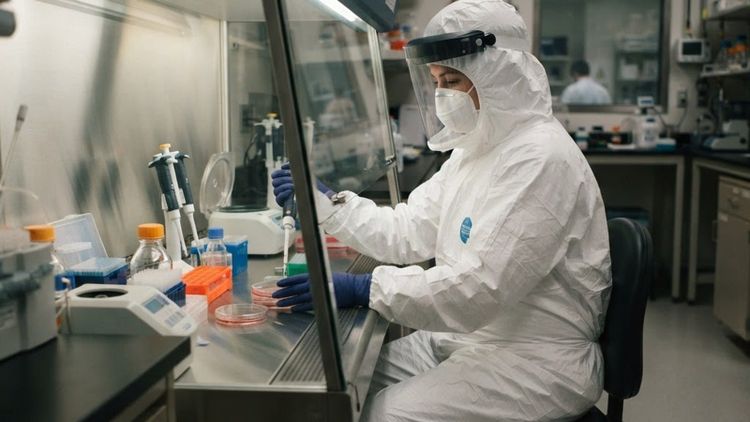
Hawaii Biotech is developing a dengue virus sub-unit vaccine designed with high fidelity to the native viral antigens in order to provide protective immunity to the recipients. The vaccine is nonreplicating and designed to be safer than live-attenuated vaccines.
The symposia, was organized by the Ministry of Health, Government of Brazil and the Pediatric Dengue Vaccine Initiative, Seoul, Korea. The goal was to develop a comprehensive plan for dengue vaccine development, evaluation and production. Dengue, called the most important arboviral disease globally, has been spreading in Brazil and major outbreaks are more frequent with a severe outbreak in 2007-2008 in Rio de Janeiro and other parts of the country. The government accords high priority to the control of dengue and is investing heavily in vector control, treatment and research and development.
The Pediatric Dengue Vaccine Initiative (PDVI) is a product development partnership (PDP) that seeks to accelerate development, evaluation and introduction of safe, effective and affordable dengue vaccines. PDVI programs include the development of field sites for surveillance and vaccine evaluation, partnerships with several vaccine producers to foster product development, collaborations with diagnostic companies and scientists to promote evaluation and development of improved diagnostics, economic studies and efforts to prepare for the introduction of dengue vaccines.
About Hawaii Biotech, Inc.: Hawaii Biotech, Inc. (HBI) is a privately held biotechnology company focused on the development of prophylactic vaccines for infectious diseases. HBI has developed a proprietary protein production platform that has application to the manufacture of proteins for use as antigens in vaccines and diagnostic kits as well as research tools. HBI recently successfully completed a Phase 1 clinical trial of its West Nile vaccine in healthy human subjects. The company is currently in Phase 1 clinical studies with a dengue vaccine candidate and is in pre-clinical development with a vaccine for tick-borne encephalitis. HBI's product pipeline also includes vaccine candidates for malaria and influenza. Hawaii Biotech, the oldest and largest biotech company in Hawaii, is headquartered in Honolulu. For more information, please visit: http://www.hibiotech.com.
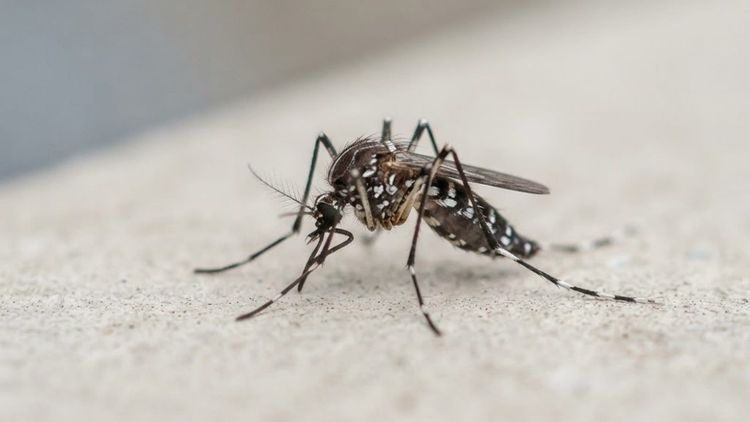
About Dengue: Dengue, also known as "break-bone fever," is a prevalent infectious disease in tropical and subtropical countries throughout the world. Approximately 3.5 billion people live in endemic countries and about 100 million people are infected with dengue every year. Dengue infections result in an estimated 20,000 deaths. Dengue is caused by one of four closely related, but distinct, virus serotypes (DENV1, DENV2, DENV3, and DENV4), of the family Flaviviridae, which also includes yellow fever, West Nile, Japanese encephalitis, and tick-borne encephalitis viruses. Dengue is transmitted by the bite of a mosquito infected with any one of the four dengue viruses. Infection with dengue virus results in severe flu-like symptoms that can lead to a life-threatening hemorrhagic fever. During the last quarter century, many tropical regions of the world have seen an increase in dengue cases. The southern United States is potentially susceptible to dengue epidemics as the types of mosquitoes that transmit dengue virus are prevalent there. Dengue cases were reported in southern Florida in late 2009.

Member discussion