
The first real verdicts are in for AI-discovered drugs
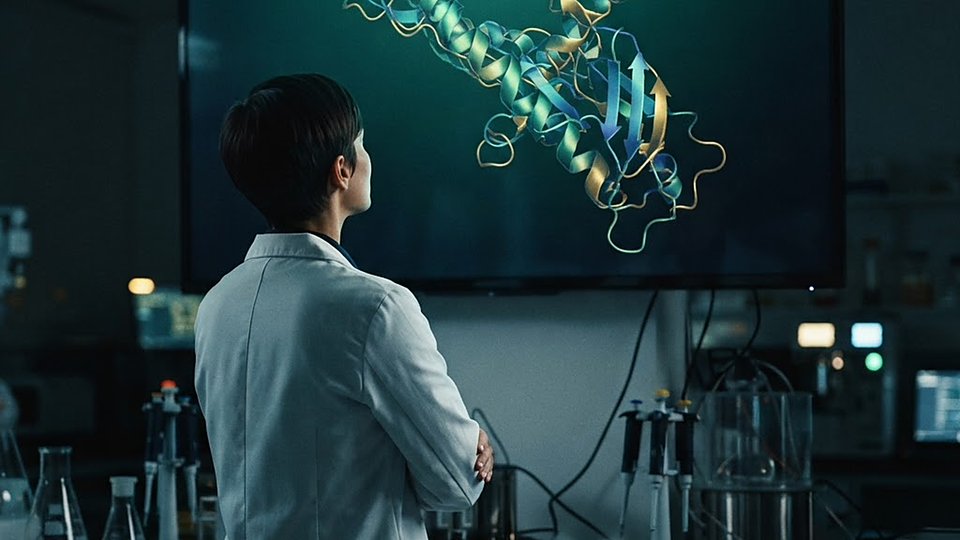
No molecule designed end-to-end by AI has full FDA approval yet. But the field has arrived at the point where that statement needs updating every few months: the first AI-native candidates have reached phase 3, led by Insilico Medicine's pulmonary fibrosis drug, and the mid-stage data from the first cohort is now arriving. The question has quietly changed from how fast AI discovers drugs to whether the drugs it discovers survive the trials that kill everyone else's.
The scoreboard so far
An honest audit of the first decade of AI drug discovery reads mixed, which is itself the headline. The industry has produced candidate molecules at a pace and cost the traditional process cannot match, and several are now in human trials. It has also produced failures, including high-profile phase 2 misses that punctured some of the earliest hype. Nobody serious still claims AI shortcuts biology. The credible claim is narrower and more testable: that better molecules entering better-designed trials should raise the industry's success rates, which have been stuck near 10 percent from phase 1 to approval for decades.
That number is the one to hold AI discovery against. Not speed. Not cost per candidate. Whether it moves the survival curve.
Where the evidence will come from
Three cohorts will deliver the verdicts. First, the late-stage AI-native candidates, where a real approval would do what a decade of papers cannot: make the platform premium rational in hindsight. Second, the mid-stage pipeline of the AI majors, Insilico, Recursion, Exscientia and their peers, where phase 1 and 2 readouts now arrive quarterly. Third, the internal programmes of big pharma, which has folded the methods into its own discovery engines and will never publish a clean comparison, but whose portfolio decisions reveal what the practitioners actually believe.
Note what is missing from that list: any verdict on the platforms themselves. AI companies have learned to sell the engine rather than the drug, because engines are valued on narrative and drugs are valued on data. The disconnect is the investment story of the moment: Iambic Therapeutics going public on discovery capability rather than clinical results, the market openly unsure how to price a company whose product is probability.
The verdict that is already in
One early conclusion is safe. AI has already won the discovery layer: target identification, molecule generation, property prediction, the mechanics of the early pipeline. The unresolved question is development, because the failures that dominate pharma economics live in phase 2 and 3, in toxicity surprises, enrollment shortfalls and biology that does not cooperate in humans. No generative model has yet demonstrated it can move those numbers, and the first phase 3 readouts from AI-native candidates are the moment the question gets its first real answer.
The brief: AI-discovered drugs have reached phase 3, mid-stage data is arriving, and no full approval exists yet. Discovery is won; development is unproven. Watch phase 2 survival rates of the first AI-native cohorts, the number the whole platform premium rests on.
Member discussion